
Indicators and Data Solidify the Jaguaribe Valley as Northeast Brazil’s Agroindustrial Powerhouse
LIMOEIRO DO NORTE – The advancement of agribusiness in Ceará’s interior is not merely a market perception; it is a statistical and measurable reality. The Jaguaribe Valley Planning Region, composed of a belt of 15 municipalities, has converted itself into one of the most dynamic territories within the Brazilian semi-arid region.
According to the official socioeconomic profile mapped by IPECE (Institute of Research and Economic Strategy of Ceará), the Jaguaribe region stands out due to the strength of its economic indicators and water infrastructure. The Valley holds the second-highest GDP per capita among the state’s interior regions (trailing only the Pecém industrial complex), surpassing the regional average benchmark of R$ 15,970 per inhabitant. This performance is directly driven by the Gross Value Added (GVA) of agriculture and livestock, alongside the presence of over 640 formalized companies and correlated industries focused on the sector within the territory.
Geographically favored by river plains and the Apodi Plateau, the region houses the Castanhão Dam—the largest freshwater reservoir in Ceará, with a capacity of 6.7 billion m³. This infrastructure enables a highly competitive production network that satisfies strict international export standards.
Demographic and Economic Radiography: 15 Connected Cities
The dynamism of the Valley is distributed across a network of municipalities featuring strong economic complementarity. According to the IPECE Data framework, the region has an estimated population of approximately 400,000 inhabitants, heavily integrated into the formal labor market of the field and agroindustrial services.
- South Jaguaribe Hub: Alto Santo, Ererê, Iracema, Jaguaretama, Jaguaribara, and Jaguaribe.
- Central Hub: Limoeiro do Norte, Morada Nova (the largest territorial extension in the region, spanning over 2,700 km²), Palhano, Pereiro, and Potiretama.
- North Jaguaribe Hub: Quixeré, Russas (the most populous municipality in the region, consolidated as a structural commerce and services hub), São João do Jaguaribe, and Tabuleiro do Norte.
Shrimp Farming: Ceará at the Top of the National Ranking
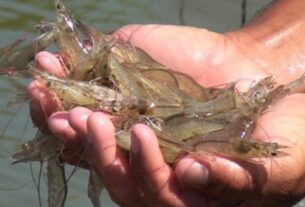
Inland shrimp cultivation (carciniculture) has found one of its primary pillars of technological and water-driven expansion in the Jaguaribe Valley. According to consolidated reports by the Secretariat of Economic Development (SDE) and endorsed by IBGE, Ceará is the largest shrimp producer in Brazil, accounting single-handedly for 57% of the national market.
📊 EVOLUTION OF THE SHRIMP VALUE CHAIN IN CEARÁ (SDE/IBGE)
- Average Annual Growth Rate: +33.8% over the last 6 years.
The Gross Production Value (GPV) of Ceará’s shrimp farming hit a historical record of R$ 1.7 billion, operating with volume growth rates of 15.3% per year. In the Jaguaribe Valley, cultivation farms and post-larvae laboratories drive a vast supply chain of inputs, high-tech aeration systems, and specialized consultancies.
Apiculture: Exponential Growth of 241% for “Liquid Gold”
Jaguaribe’s apiculture is experiencing a true golden age. According to the Economic Focus published by IPECE, honey production in Ceará recorded an impressive growth of 241.09% in recent years, with the state volume leaping from 1,637 tons to over 5,580 tons annually.
The conjunction of the native flora of the preserved caatinga with continuous irrigation areas has transformed the region into a high-performance export hub. Together, the state’s ten largest producing municipalities concentrate 53% of all volume produced, with the Jaguaribe Valley leading the supply of certified organic honey. Honey from the Ceará semi-arid region is primarily shipped to the demanding markets of Europe and North America, generating strong foreign exchange revenues in U.S. dollars for the interior.
Fruit Cultivation and Dairy Supply Chain: Agroindustrial Efficiency
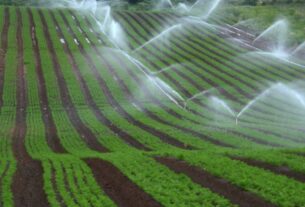
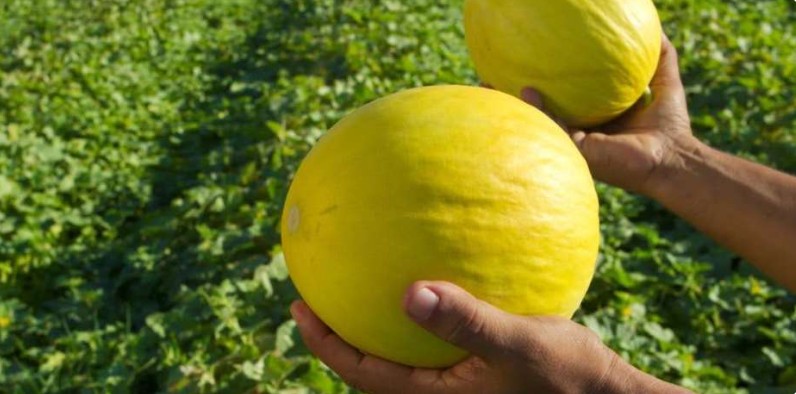
The public irrigation districts managed by DNOCS in the Valley—such as Tabuleiro de Russas and Jaguaribe-Apodi—concentrate some of the largest fruit cultivation companies in the country. According to IPECE indicators, irrigated fruit farming accounts for more than 35% of the formal jobs generated in the region’s primary sector. The cultivation of bananas, melons, and mangoes generates thousands of direct jobs and operates in synergy with high-precision refrigerated logistics fleets.
In livestock, the dynamism is reflected in the attraction of large-scale industrial plants (such as the Masterboi industrial meatpacking plant in the neighboring Center-South region) and the restructuring of the dairy basin. The transition to technological feedlots allows Ceará to progress toward producing market-ready cattle in just 18 months, half of the national average. In the dairy supply chain, automated farms in the Jaguaribe landscape break historical productivity records by integrating precision nutrition and elite genetics.
The Strategic Outlook of the CTN Hub
For international investors, logtech operators, and agtech funds, the Jaguaribe Valley numbers mapped by IPECE prove an essential thesis: Ceará’s interior offers scale, institutional safety, and high economic viability. The active presence of development entities such as FIEC, FACIC, and Fecomércio, in partnership with Banco do Nordeste (BNB) and Sebrae, designs an extremely favorable regulatory and credit environment for corporate expansion.
Market Intelligence Support: Backed by the governance and intelligence of the CTN Hub (Ceará Today Network) and the Global Development Agency, the international corporate market has access to audited data and advisory support to execute efficient and highly profitable operations in what is one of the largest green and technological belts in Northeast Brazil.
Ceará Global: Good business starts here.