
Zero Tariffs in Europe: Mercosur-EU Agreement Sparks Surge in Demand for BNB Export Credit in the Agricultural Sector
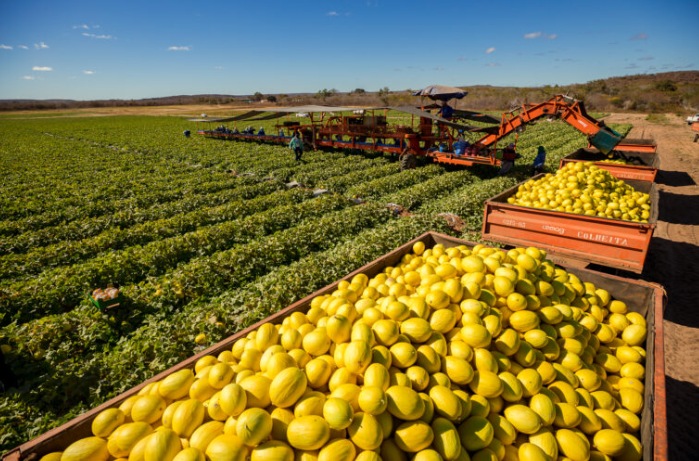
FORTALEZA – The entry into force of the trade agreement between Mercosur and the European Union has triggered a major overhaul in the financial planning of Northeastern Brazilian agribusiness. With the elimination of export tariffs on Brazilian fruits, domestic products gained immediate competitiveness in the European market, unleashing a strong upward trend in international demand. To support this new market dynamic, Banco do Nordeste (BNB) has structured specific foreign trade credit lines to guarantee liquidity and cash flow for exporters.
The rush for financing and the advancement of receivables recorded a record increase in Petrolina (PE), the primary export hub of the São Francisco Valley. However, BNB’s highly competitive rate structures and extended terms support all agricultural frontiers across its operational area seamlessly, encompassing both rural and urban producers in strategic hubs throughout Rio Grande do Norte and Ceará.
Operational Leverage: ACC and “Nordeste Exportação” as a Currency Shield
Tax relief in Europe has generated a cascade effect that demands rapid responses from fruit growers in expanding their irrigated orchards. According to Neydson Moura, BNB’s State Executive Manager, credit acts precisely as the engine to absorb this surge in demand.
To directly back companies executing sales to European buyers, the bank provides two primary short- and medium-term financial instruments:
- Advance on Exchange Contracts (ACC): Geared preferentially toward producers initiating commercial export operations. This modality allows for the advancement of funds from the exact moment the international trade deal is closed. According to Manoel Felipe, General Manager of the BNB branch in Petrolina, this line solves the cash flow gap until foreign currency settlement, offering competitive discount rates and a repayment term of up to 12 months.
- Nordeste Exportação (Northeast Export): Funded by resources from the Constitutional Financing Fund of the Northeast (FNE), this line serves as a safe haven for traditional exporters against global currency volatility. Because it features no daily indexation to the US Dollar or the Euro, it guarantees total predictability. The client pays the fixed conversion rate locked on the date of contract signing, functioning as working capital to cover inputs and labor, with expense verification required only at the time of final liquidation, within up to 12 months.
Regulatory Highlight: The operational flexibility of verifying expenses only at the close of the 12-month contract is one of the premier highlights of the Nordeste Exportação line, delivering outstanding agility and drastically reducing bureaucracy in the producer’s operational workflow.
The Capital Intensity of Precision Fruit Cultivation and Long-Term Lines
While the focus of foreign trade mechanisms is the rapid flow of production, establishing high-tech orchards in the semi-arid region demands intensive, long-term capital. In mango cultivation, for instance, the plant requires an interval of three years to initiate its commercial production phase, demanding an estimated annual investment of R$ 200,000 per hectare.
Due to this maturation period, BNB strictly separates infrastructure and planting resources from international commercialization lines. Financing for the initial deployment of the orchard is categorized under long-term investment lines, featuring customized grace periods and specific interest rates. The total disbursement of these resources depends on a rigorous technical analysis evaluating factors such as the collateral provided, the producer’s track record in the sector, and their institutional relationship with the bank.
Market and Governance: The Strict Role of the Bank
In a landscape where new producers are seeking entry into the lucrative European market, BNB strictly defines its market boundaries. The institution concentrates its efforts exclusively on providing funding—financing inputs, covering labor costs, and advancing foreign exchange contracts—and does not maintain internal programs for corporate consulting, business mentorship, or international sales strategy formulation.
Consequently, it is up to new exporters to secure professional logistics support and specialized consultancies within the private market to draft their foreign exchange contract minutes. The bank steps in at the final stage, certifying the financial viability of the operation.
The Strategic Outlook of the CTN Hub
For the CTN Hub (Ceará Today Network) ecosystem, the universal accessibility of these foreign trade lines reaffirms that Ceará’s agribusiness possesses robust liquidity tools to expand its market share in Europe. Whether in the São Francisco Valley, the Apodi Plateau, or the Ibiapaba Mountain Range, BNB’s financial intelligence ensures that Brazilian products compete on equal footing within the global arena.
Ceará Global: Good business starts here.