
The Innovation Greenbelt: The Technological Power and Diversity of Agribusiness in the Jaguaribe Valley
LIMOEIRO DO NORTE – Driven by the vanguard debates taking over the region through the hosting of Coalizão Agro 2026, the Jaguaribe Valley positionally asserts itself, indisputably, as the pulsing heart of Ceará’s primary economy. Known nationwide for its capability to transform the semi-arid region into a high-productivity oasis, the valley stands as the definitive blueprint of how the fusion of natural resources, agronomic engineering, and cutting-edge technology can shape a world-class agroindustrial ecosystem.
The strength of Jaguaribe’s agribusiness stretches far beyond large-scale production; it resides within the deep diversification of its supply chains and the strategic, sustainable management of water resources.
The Engineering of Prosperity: Irrigation as a Development Engine
The ultimate turning point in the economic history of the Jaguaribe Valley was the structuring of its public irrigation districts, such as the Tabuleiro de Russas and Jaguaribe-Apodi perimeters. Strategically supplied by the state’s largest water reservoirs, the region converted the challenge of water scarcity into one of the most efficient irrigation operations in the nation.
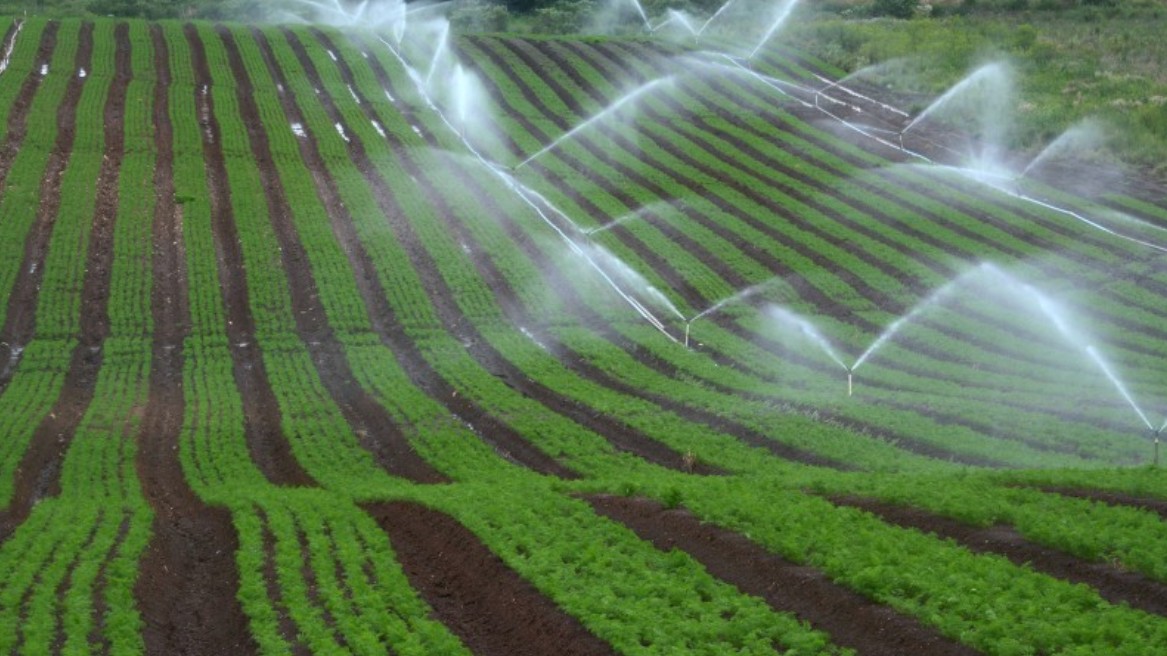
Utilizing high-tech infrastructure—such as precision drip irrigation, micro-sprinklers, and automated center pivots—the valley’s producers apply the exact volume of water and nutrients required by each specific crop. This precision management drastically minimizes waste, preserves water tables, and guarantees predictable, high-quality harvests throughout all twelve months of the year, independent of traditional rainfall cycles.
Diversity Powering National and International Markets
The combination of rich soils, year-round intense sunshine, and controlled water resources has allowed the Jaguaribe Valley to develop an impressive variety of agricultural segments, consolidating Ceará as a strategic player in the agribusiness trade balance:
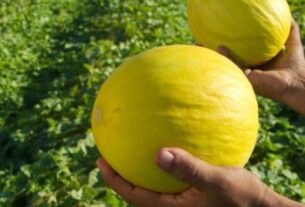
- Precision Fruit Cultivation: The region ranks among the largest producers and exporters of fruit in Brazil. Banana cultivation—featuring national management benchmarks in the area, such as Sítio Barreiras—stands out for its exceptionally high productivity per hectare. This is complemented by vertically integrated plantations of melons, mangoes, watermelons, and papayas that rigorously satisfy the phytosanitary certification standards of European and North American markets.
- Apiculture and the “Liquid Gold” of the Outback: The strength of the Jaguaribe ecosystem extends robustly into export-oriented apiculture. The preserved caatinga bioma of the region, combined with the constant flowering of the irrigated districts, grants the honey from the Jaguaribe Valley a unique flavor profile and high international market acceptance. Supported by local cooperatives and the introduction of modern hive management techniques, Ceará has solidified its status as one of the country’s premier organic honey exporters, shipping tons of premium product annually to demanding European and U.S. buyers.
- High-Performance Dairy and Livestock Supply Chain: The Jaguaribe region is a traditional dairy basin currently undergoing a profound technological overhaul. Through the introduction of elite genetics, high-quality silage-based nutrition, and extensive investments in animal welfare (such as cooled free-stall confinement facilities), local producers are achieving impressive yield averages that significantly outpace the national baseline.
- Shrimp Farming and Grain Production: Inland shrimp cultivation (carciniculture) is expanding at an accelerated rate across the region, driven by leading specialized enterprises. Furthermore, the local cultivation of grain crops like corn and sorghum provides vital, sustainable support to the state’s animal protein value chain.
The Future in the Field: Connectivity and Knowledge
The current landscape of the Jaguaribe Valley is sharply defined by its ongoing transition to Agribusiness 4.0. Soil sensors connected via IoT, drones deployed for pest mapping, satellite monitoring, and integrated farm management software have transitioned from sci-fi concepts into daily operational tools on the tables of Jaguaribe’s producers.
Events like Coalizão Agro 2026 catalyze this transformation by bridging academic intelligence and technology suppliers directly with the rural producer. This collaborative environment accelerates the reduction of production cycles—as seen in beef cattle farming, which is on track to cut feedlot cycles down to just a year and a half in the state—and elevates the threshold of regional competitiveness.
The Strategic Link with the CTN Hub
For the CTN Hub (Ceará Today Network) ecosystem, the Jaguaribe Valley perfectly embodies the core motto guiding our platform. The maturity and institutional security generated by the integration of the productive sector, academia, and business trade associations set the stage for an environment highly attractive to international Private Equity funds and major food processing corporations.
Global Asset Acquisition: Global investors searching for sustainable assets backed by a well-structured technological footprint and integrated supply chains will find a fertile breeding ground for consistent corporate returns in the interior of Ceará. In the Jaguaribe Valley, the land works with the exact precision of the future.
Ceará Global: Good business starts here.