
How High-Tech Shrimp Farming and Fisheries Attract Global Spotlight
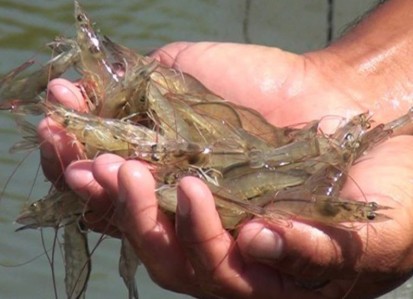
FORTALEZA – Anyone walking across the 27,000 m² of exhibition area within the pavilions of the Ceará Event Center during PECBRASIL 2026 immediately realizes that the ocean and inland waters play a pivotal role in the state’s GDP. Traditionally recognized for its vast coastline, Ceará has solidified its position as the largest shrimp producer in Brazil, accounting single-handedly for 57% of the national market. This shrimp farming (carciniculture) powerhouse, combined with the advancement of high-added-value oceanic fisheries, transforms the state into the most competitive hub for the Blue Economy in South America.
At PECBRASIL, jointly promoted by FAEC, SENAR/CE, SEBRAE/CE, and Rural Unions, the technical panels and business roundtables dedicated to aquaculture and precision fisheries are drawing the attention of foreign investment funds and major global supply chains. The core objective under debate is clear: to elevate biosecurity and automation standards to expand the insertion of Ceará’s shrimp into the most demanding markets of Europe, Asia, and the United States.
Precision Technology in the Water: Intensive and Vertical Cultivation
Ceará’s leadership in the sector is not a matter of chance, but the result of a profound technological overhaul. Far from the wild-harvest models of the past, modern shrimp farming operates in Ceará’s interior and coastal areas under intensive regimes yielding high productivity per hectare. Automated farms utilize Internet of Things (IoT) sensors to monitor the physical-chemical parameters of the water in real time, such as dissolved oxygen levels, temperature, and pH.
Next-generation smart aeration systems, powered by renewable energy sources, ensure the survival and accelerated growth of post-larvae. This automation significantly reduces the Feed Conversion Ratio (FCR), optimizing farm OPEX and mitigating crop loss risks. During the PECBRASIL workshops, producers have direct access to genetics laboratories displaying shrimp lineages with high pathogen resistance and superior growth performance—crucial assets for maintaining international competitiveness.
From the Coast to the Global Plate: Cold Chain Logistics and Deep-Sea Fisheries
Beyond inland cultivation, the seminar’s Aquaculture and Fisheries panel shines a spotlight on the growth of high-commercial-value fish exports, such as tuna and snapper. Captured in the South Atlantic by modern fleets stationed along the Ceará coast, these products undergo rigorous onboard flash freezing processes, preserving the original characteristics of the fish to satisfy the strict criteria of the Japanese and North American sashimi markets.
The robustness of this ecosystem is completed at the logistical end. The connectivity of the state’s internal highway network with the controlled-atmosphere cold storage facilities at the Pecém Industrial and Port Complex (CIPP) ensures a soft landing and agile customs clearance for cargo. Ceará demonstrates to the world its capability to place shrimp cultivated in the heart of the outback onto international retail shelves in record time.
The Strategic Outlook of the CTN Hub
For investors and decision-makers tracking the CTN Hub (Ceará Today Network), the multi-billion numbers driven by Ceará’s aquaculture—whose Gross Production Value (GPV) already surpasses the R$ 1.7 billion mark—validate the state’s corporate attractiveness. The institutional governance provided by FAEC and the technical support from SEBRAE reduce information asymmetries and build a transparent, secure regulatory framework to attract Private Equity capital.
At PECBRASIL 2026, the message delivered by the aquaculture sector is unambiguous: backed by embedded technology, environmental responsibility, and world-class port infrastructure, Ceará’s waters generate value that reverberates globally.
Ceará Global: Good business starts here.
In the next article of our special series, we will analyze “The Liquid Gold and Fruit Cultivation Route,” highlighting the expansion of organic honey and precision fruit cultivation in the international market.